Expert Carpenter for Made-to-Order Woodwork Solutions
A experienced carpenter plays an vital role in bespoke woodwork solutions. Their proficiency ensures that projects are executed with accuracy and creativity. From custom cabinetry to distinctive shelving, these professionals convert ideas into functional pieces. Recognizing the characteristics that define a skilled carpenter can significantly influence the outcome of a project. Knowing how to successfully work together and plan finances is just as important. What critical factors should one consider when initiating such a bespoke endeavor?
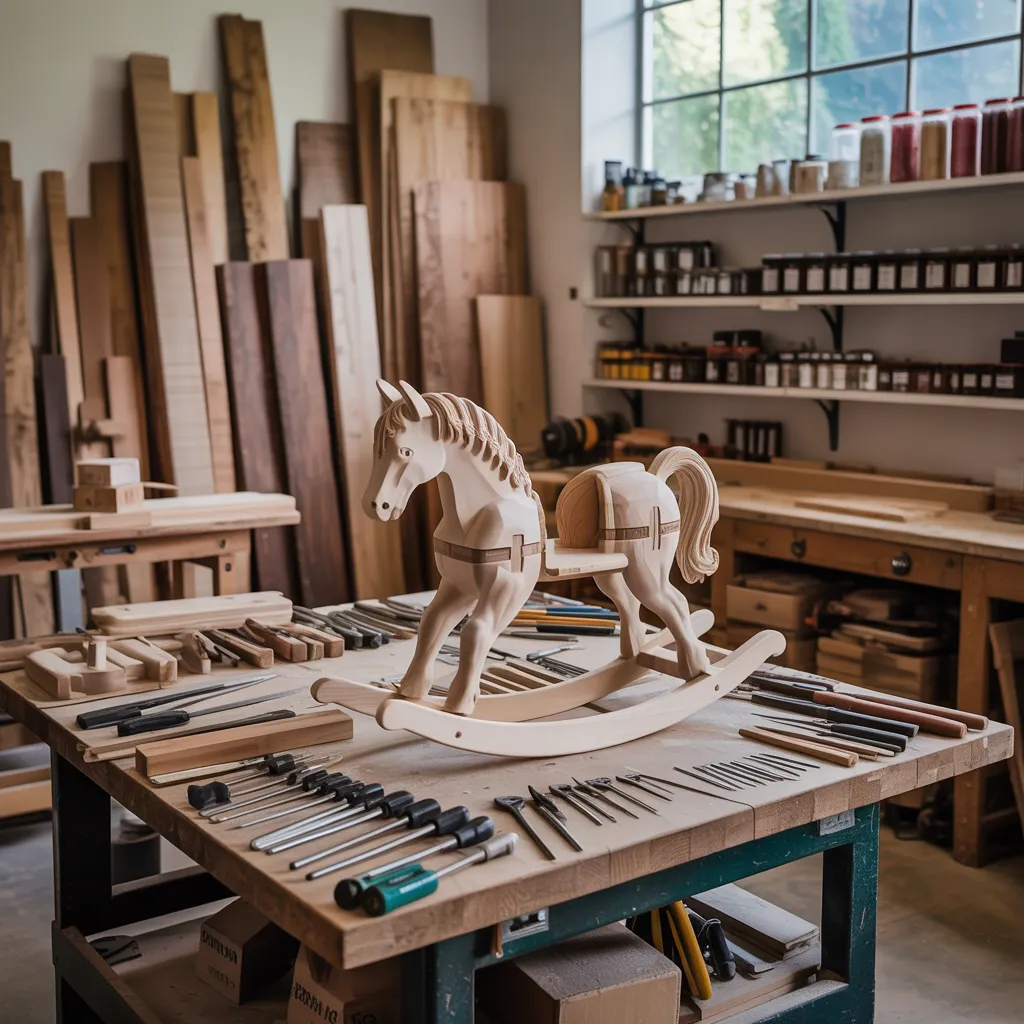
Why Hire a Talented Carpenter for Custom Woodwork?
Hiring a talented carpenter for bespoke woodworking can greatly improve the standard and aesthetics of a project. Woodworking expertise ensures that each item is made with accuracy, close care to detail, and a thorough knowledge of materials. Skilled carpenters provide the essential tools and techniques to convert concepts into functional art, whether it involves cabinetry, furniture, or decorative components. Their skill allows them to predict challenges and deliver effective solutions, culminating in a finished product that fits the client’s vision. Additionally, a proficient carpenter can share expert advice about wood varieties, finishes, and design styles, amplifying the overall outcome. The investment in a seasoned woodworker often results in exceptional quality that lasts over time, offering both beauty and strength. Ultimately, hiring a experienced carpenter is critical for achieving top-quality custom woodwork that enhances any space.
Discover Tailored Woodwork Solutions to Upgrade Your Room
Custom woodwork alternatives deliver a variety of possibilities for upgrading any area, permitting homeowners to personalize their settings with unique designs. From bespoke cabinetry to detailed moldings, custom woodwork can transform ordinary rooms into extraordinary ones. Customized solutions such as built-in shelves, decorative mantels, and custom furniture can enhance functionality while contributing visual appeal.
Homeowners can select from multiple wood types, finishes, and styles to design a unified look that complements their existing decor. The versatility of wood allows for both contemporary and traditional designs, catering to varied tastes. Additionally, custom woodwork can meet particular requirements, such as maximizing storage in small spaces or designing signature features in larger areas.
Important Traits to Consider in Your Woodworker
When starting a custom woodwork project, it is crucial to find a carpenter who has key qualities that ensure both quality craftsmanship and clear communication. First and foremost, experience is important; a experienced carpenter brings valuable skills and insights that can enhance the project. Careful precision is another key quality, as precision can significantly influence the final result. Additionally, creativity is significant, enabling the carpenter to suggest innovative solutions that align with the client's vision.
Reliability holds significance; a reliable carpenter meets deadlines and respects project timelines, ensuring a smooth workflow. Excellent communication abilities are essential, as they facilitate clear exchanges about ideas, expectations, and potential challenges. Finally, a good carpenter should exhibit a commitment to client happiness, focusing on the client's needs and preferences throughout the project. By seeking these qualities, clients can secure a successful working relationship and exceptional custom woodwork outcomes.
Tips for Partnering With Your Carpenter to Discuss Design Ideas?
Successful teamwork with a carpenter starts with openly sharing creative concepts. This direct communication encourages a constructive dialogue of ideas, where both parties can add creatively. Appreciating the carpenter's proficiency can yield innovative solutions that strengthen the overall project.
Convey Your Vision
How can homeowners guarantee their design ideas are properly conveyed to their woodworker? Clear communication is crucial for successful collaboration. Homeowners should start by creating visual aids, such as drawings, photos, or inspiration boards, to demonstrate their concepts. This assists close any gaps between vision and execution. Additionally, reviewing exact measurements, materials, and finishes ensures that expectations align. Regular check-ins during the design process encourage an transparent conversation, allowing for modifications and explanations as required. Homeowners should also be receptive to feedback, as carpenters often possess important knowledge from their background. By establishing a collaborative atmosphere, homeowners can guarantee their concept is not just shared but also understood and realized effectively by their experienced woodworker.
Embrace Creative Ideas
Partnering with a carpenter creates opportunities for creative design solutions that can improve any assignment. Successful collaboration relies on clear communication, where patrons communicate their goals and tastes while remaining open-minded to the carpenter's knowledge. Submitting draft sketches, visual boards, or design photos can deliver useful direction, helping the carpenter to perceive the envisioned appearance and performance.
Furthermore, taking part in brainstorming sessions promotes a creative dialogue, where both parties can explore unique ideas and alternatives. The carpenter's expertise can lead to practical suggestions that enhance the original vision, ensuring the final product is both beautiful and functional. Ultimately, embracing creative input converts a simple project into a personalized masterpiece, reflecting the distinct style and needs of the client.
How to Budget for Your Bespoke wood Project?
What factors should one take into account when budgeting for a custom woodwork project? First, the selection of materials notably affects costs. Premium wood, hardware, and finishes can increase the project's price. Second, the intricacy of the design should be assessed; intricate patterns or custom features demand more time and skill, which can raise labor costs.
Moreover, the extent of the project functions as an critical part; substantial pieces by nature demand more materials and effort. One must also remember probable ancillary expenses, such as certifications or installation fees.
Finally, incorporating a buffer for unexpected costs guarantees the project remains within budget. By thoroughly assessing these factors, one can develop a realistic budget that reflects both the quality desired and the constraints of available funds. Planning ahead and working with a skilled carpenter can additionally help in refining the budget, facilitating a successful custom woodwork project.
The Enduring Worth of Tailored Woodwork Workmanship
Allocating funds toward custom woodwork moves past immediate costs, offering substantial long-term value that can enhance both aesthetics and functionality in a space. High-quality craftsmanship secures durability, often outlasting factory-built options. Made-to-order items are designed to fit specific needs, optimizing space and refining organization, which can facilitate boosted real estate value.
Additionally, the unique character of custom woodwork adds a tailored aesthetic that improves the ambient quality of a home or office. This artisan craftsmanship often attracts buyers and can make a home be noticed in the competitive market.
Additionally, artisan woodwork allows the use of sustainable materials, contributing to environmentally responsible living. Clients regularly find that the outlay delivers value through decreased maintenance costs and the timeless appeal of bespoke items. Fundamentally, artisan woodwork is not just a buy; it's a commitment to excellence and individuality that can deliver significant returns over time.
Frequently Asked Questions
What Types of Wood Are Best for Custom Projects?
Hardwoods like oak, maple, and cherry perform well for made-to-order work because of their robustness and pleasing looks. Softwoods such as pine and cedar continue to be in demand for their handleability and cost-effectiveness throughout various applications.
What Is the Standard Timeline for a Custom Woodwork Project?
A bespoke wood job usually requires anywhere from a few days to several weeks, based on the level of complexity, choice of materials, and skilled labor needed. Timelines can vary considerably according to the particular demands of the work and the carpenter's workload.
Can I see examples of Your Past Work?
Examples of past projects are available via a portfolio presenting multiple projects. Engaged individuals can explore images and descriptions that showcase craftsmanship and composition, demonstrating the range and caliber of completed handcrafted woodwork ventures.
Can You Offer Guarantees on Your Bespoke Woodwork?
Yes, protections are given on custom woodwork, guaranteeing excellent quality and lasting durability. This pledge indicates assurance in craftsmanship, allowing patrons to feel assured in their expenditure, recognizing that any issues will be managed without delay.
How Do You Deal With Alterations During the Project?
Changes during the project are handled via transparent dialogue and teamwork. The carpenter discusses adjustments with the full article client, ensuring all modifications align with the original vision while accommodating any additional needs or specifications effectively.